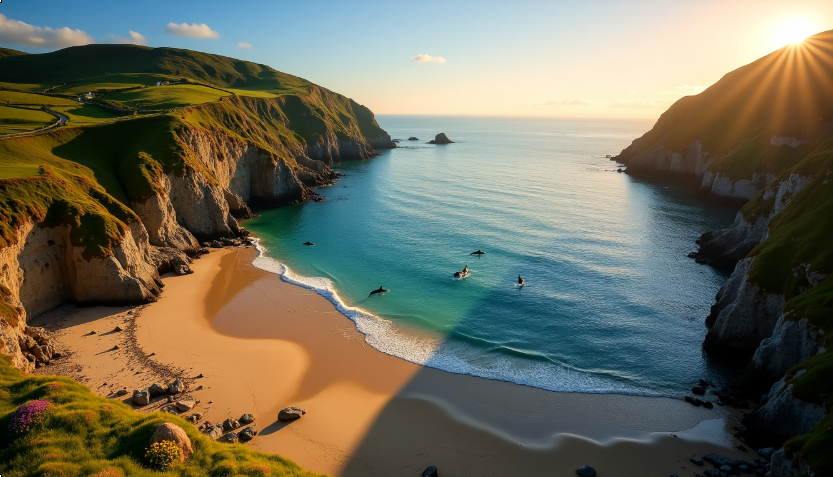
Cardigan Bay beaches are a marine wildlife enthusiast’s paradise with Europe’s largest population of dolphins along this stretch of Welsh coastline.
New Quay and Aberystwyth attract most tourists, but we found that there was magic in the hidden spots along the Cardigan coast. These secluded beaches in West Wales have earned prestigious Blue Flag and Green Coast Awards because of their clean waters and natural beauty.
These beaches are a great way to get unique experiences. You can watch bottlenose dolphins from a quiet cove, see Tresaith’s cliff-side waterfall, or enjoy peaceful moments away from crowds. We found 13 hidden holiday cottages on the Cardigan Bay coast beaches that should be on your 2025 travel list.
Castell Bach Beach
Image Source: Holiday Cottages
Castell Bach sits along the dramatic Ceredigion coastline and blends history with natural beauty. This quiet cove gets its name from the Celtic iron age hillfort that watches over it from above [1].
Hidden Access Routes
The easiest way to reach this hidden gem starts at Cwmtydu, where a clear coastal trail heads north [2]. The path splits into two options – a cliff-edge route with amazing views that needs careful walking due to erosion [3]. You can also start from St Tysilio’s church and take a gentle footpath down to the coast [2].
Best Time to Visit
Castell Bach feels most peaceful early in the morning. The beach stays between 7-9°C through February [4]. Low tide gives you the best chance to explore unique beach features, like the eye-catching folded rock layers on the knoll that stands out on the sea side [2].
Wildlife Spotting Opportunities
The beach is a vital home for Atlantic Gray Seals, especially in autumn. Scientists have spotted unusual seal behavior here that they rarely see in bigger colonies [5]. High grassy cliffs wrap around the cove and create perfect conditions to watch marine life without disturbing them [2].
Photography Tips
These techniques help capture Castell Bach’s magic:
- Frame your shots to include both striated islands for dramatic coastal views [3]
- The early morning light shows off the bowl-shaped coastline beautifully [1]
- Catch the pyramid-like islet against the cliff backdrop
- Try long exposure shots at sunset to create dreamy seascapes
The beach’s sheltered location, rich history, and natural features make it a perfect spot for landscape and wildlife shots [3].
Traeth Bach
Image Source: Sandee
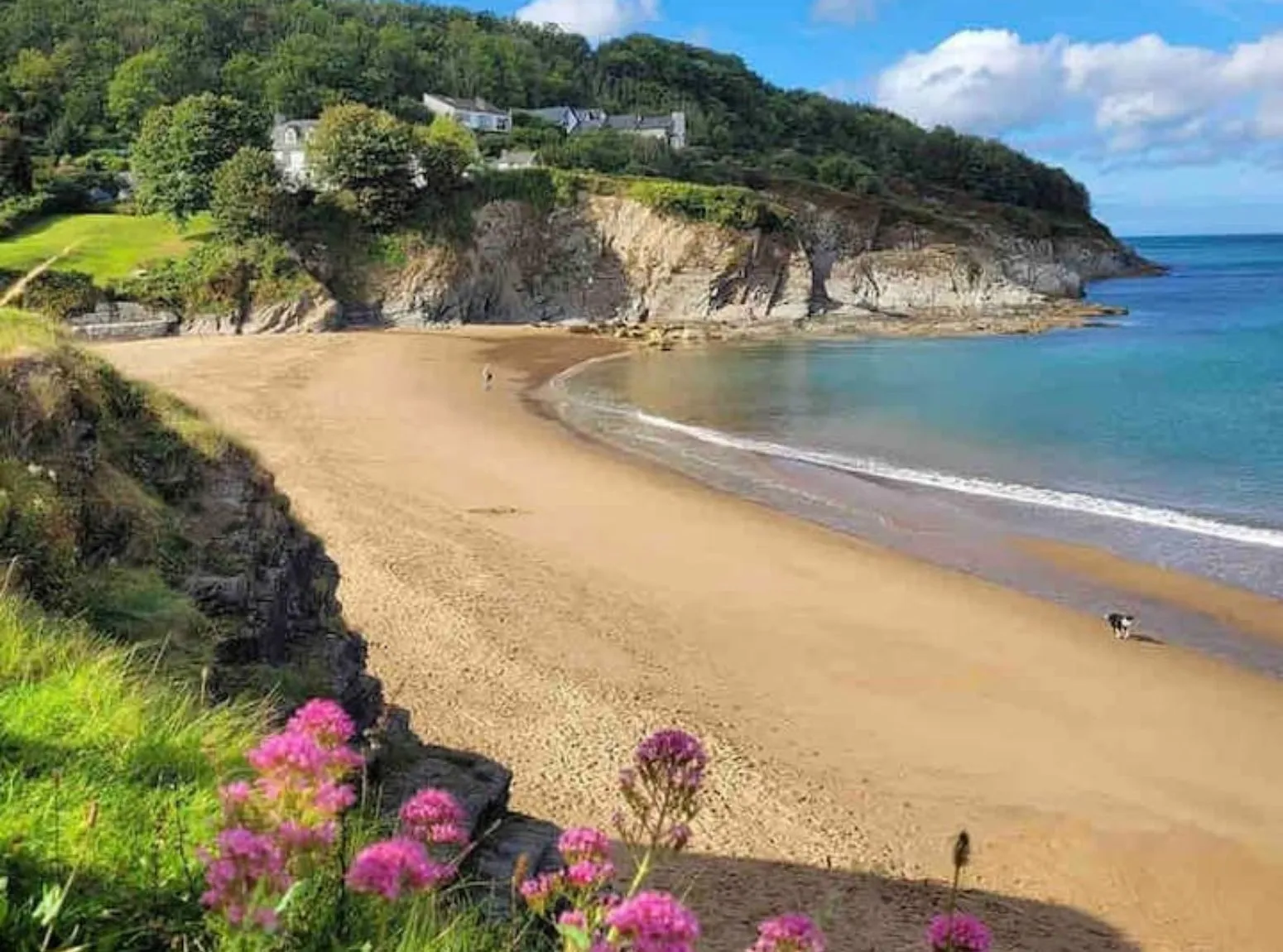
Traeth Bach sits on the western edge of Cardigan Bay. The beach lives up to its Welsh name meaning ‘Small Beach’ and gives visitors a cozy coastal experience.
Local Legends
Samson’s Rock stands proudly on this golden stretch and stays visible even when the tide is high [6]. Local folklore tells us this ancient landmark watches over the bay’s maritime history. The rock has become part of the village’s identity, with stories passing from one generation to the next.
Hiking Trails to Beach
The Anglesey Coast path gives hikers amazing options in both directions. The western trail weaves through some of the island’s most secluded spots and leads to the National Trust’s Nature Reserve at Cemlyn [6]. The eastern path hugs dramatic rocky clifftops and rewards walkers with breathtaking views across Cardigan Bay.
Natural Features
The beach showcases:
- A pristine golden sandy shoreline
- Fascinating rock pools teeming with marine life
- A protective slipway ensuring accessibility
- Crystal-clear waters perfect for exploration [7]
The area’s natural beauty attracts diverse wildlife. You’ll often spot porpoises and dolphins in these waters [7]. Many seabirds make their homes in the surrounding cliffs.
Swimming Conditions
Swimming at Traeth Bach changes with the seasons. Water temperatures range from 8°C to 9.6°C [8]. The beach offers safe places to swim [6], but has no lifeguard coverage [9]. The bay’s natural shelter from westerly and easterly winds creates good conditions for water activities [7]. In spite of that, visitors should check tide times since the beach gets much smaller during high tide [6].
Cwm Silio Beach
Image Source: Holiday Cottages
Known locally as the “Secret Beach,” Cwm Silio is a peaceful sanctuary along the Welsh coastline [10].
Secret Parking Spots
Your trip starts in the village of Nanternis. A half-hour woodland walk takes you to this hidden gem [11]. The path runs through a long wooded valley and follows the cascading Afon Soden river [12]. Seasonal wildflowers and small waterfalls line this enchanting trail that leads to the beach [11].
Beach Characteristics
This secluded cove offers:
- Sand and shingle mix with grassy headlands on both sides [12]
- A freshwater stream that creates a natural lagoon at high tide [12]
- Rocky shoreline and pools to explore when the tide is low [12]
- Clean, unspoiled surroundings that make perfect picnic spots [10]
Marine Life
The beach’s waters are home to various sea creatures. Atlantic gray seals often visit these waters, and September brings their pupping season [13]. On top of that, it houses rare fritillary butterflies in the surrounding area [2]. You might spot dolphins in these waters, making it a great place to watch marine wildlife [14].
Safety Considerations
Safety comes first at Cwm Silio. The beach has no lifeguard service, so you should check tide times before you visit [15]. Swimming needs extra care – bring someone with you and know your limits [15]. Keep your phone charged and know where the nearest emergency points are [15]. The beach’s remote location means you should pack water and basic supplies to stay comfortable during your visit.
Traeth Soden
Image Source: Walk the Wales Coast Path
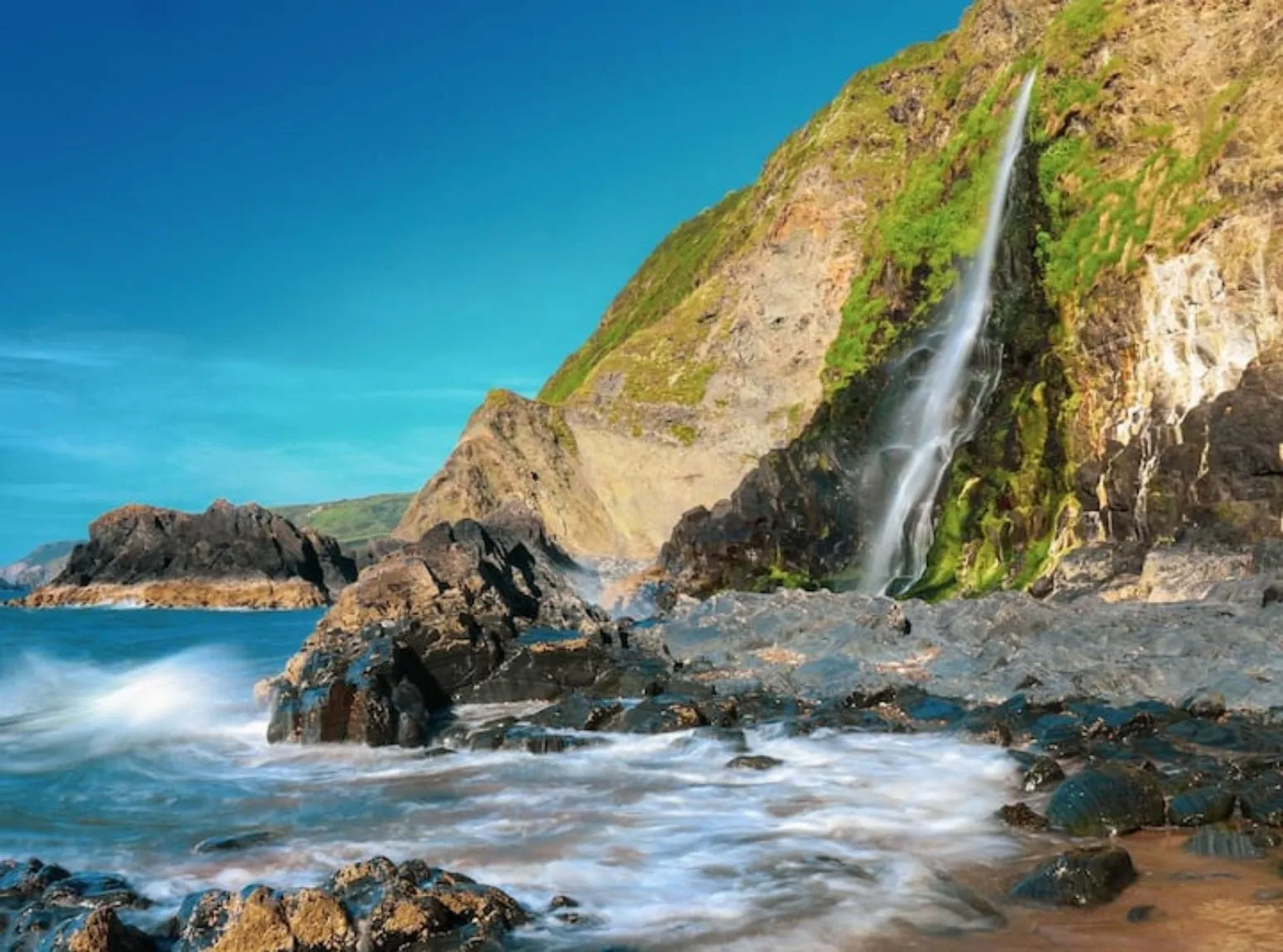
Traeth Soden stands as one of Cardigan Bay’s most enchanting coastal treasures, nestled beneath towering cliffs and reached through a wooded valley [12].
Walking Routes
The path to this hidden spot takes about 30 minutes from Nanternis village [10]. You’ll follow the Afon Soden river as it cascades down and guides you naturally to the beach. New visitors should take the Wales Coast Path to enjoy spectacular views of the surrounding headlands [2].
Geological Features
The beach’s distinctive landscape showcases:
- Grassy headlands on both sides of a mixed sand and shingle shoreline [12]
- A small stream that cuts across the beach and creates a lagoon at high tide
- Rocky shoreline with fascinating rock pools at low tide [12]
- Maritime grassland sitting atop dramatic cliffs [2]
Best Sunset Views
The clifftop path gives you amazing spots to watch the sunset, especially from the maritime grassland areas. The beach’s western-facing position creates perfect golden hour photography moments. Nature lovers often gather on the grassy headlands to watch choughs, gannets, and guillemots soar against the setting sun [2].
Tide Information
Knowing the tides is vital to explore the beach safely. On February 4, 2025, the tide peaks at 4.56m at 10:54 am, then drops to its lowest point of 1.13m at 4:49 am [16]. High tide substantially shrinks the beach area and affects how you can access it. The small stream adds another feature by forming a lagoon above the high tide mark [12], which creates unique coastal scenes throughout the day.
This secluded spot gives visitors a peaceful escape from the busy world along the Cardigan coast [10]. Summer brings an extra treat as clouds of colorful fritillary butterflies dance above the maritime grassland [2].
Carreg Wylan
Image Source: Oh What A Knight
Protected under the Site of Special Scientific Interest designation since 1982, Carreg Wylan is a remarkable marine sanctuary along the Cardigan coast [4].
Beach Access Guide
The site covers 3.57 km² of marine area and visitors can reach it through designated walking paths [4]. You’ll need to park at nearby designated spots and take the coastal trail to reach the shore. The beach has some challenging access points, so checking tide times is vital to explore safely.
Rock Pool Exploration
Marine biodiversity thrives here, and the rock pools reveal a fascinating underwater world. The site is home to several protected species:
- Common bottlenose dolphins
- Gray seals
- Harbor porpoises
- Eurasian otters [4]
The best time to explore rock pools comes right after low tide. The shallow submerged sandbanks and in part submerged sea caves create perfect homes for marine creatures of all types [4].
Historical Significance
The site’s conservation journey began with its 1982 designation and ended up becoming a vital marine protected area [4]. The Countryside Council for Wales manages regulated activities to keep the area’s ecological balance intact. Whatever the season, certain activities like bivalve dredging stay prohibited to protect the marine ecosystem [4].
Visitors can enjoy water activities while strict conservation measures stay in place. Swimming, surfing, kayaking, and scuba diving happen under careful environmental guidelines [4]. Scientists often study the unique marine habitats and species interactions in this protected zone, adding to its importance beyond recreation.
Traeth yr Ynys
Image Source: FBM Holidays
Traeth yr Ynys, a hidden gem in Cardigan Bay, spans just 120 meters of Welsh coastline and gives visitors an intimate glimpse of marine wonders [17].
Hidden Cove Features
This stunning beach stands out with its distinctive gray pebbles and turquoise waters [17]. A narrow lane guides visitors to a small carpark that serves as your gateway to this secluded paradise. The water’s depth increases gradually from shore, which makes it safe for wading. You might want to bring aqua socks for extra comfort [17].
Dolphin Watching Spots
This part of Cardigan Bay is home to Europe’s largest population of bottlenose dolphins [18]. Your best chance to spot these magnificent creatures comes during morning and evening hours at high tide [18]. Between May and November, more than 300 bottlenose dolphins swim these waters [18]. This makes the spot perfect for watching marine wildlife.
Local Flora and Fauna
The coastal ecosystem brims with wildlife. The area features:
- Nesting seabirds in spring and early summer
- Year-round seal populations
- Porpoises near the shoreline
- Diverse coastal vegetation [19]
The maritime grassland supports rare species, and you’ll often see choughs along the western coastline [20]. The beach’s peaceful atmosphere remains untouched by noise pollution [17], creating ideal conditions for wildlife watching. The cliff faces provide perfect nesting spots for various seabirds, while marine life thrives in the waters below [20].
Cilborth Beach
Image Source: Holiday Cottages
You’ll find a pristine sandy cove just north of Llangrannog. Cilborth Beach fascinates visitors with its dramatic cliff backdrop and distinctive features [5].
Beach Activities
This sheltered spot draws water sports enthusiasts with its excellent surfing conditions. We kayaked and windsurfed in the crystal-clear waters that provide ideal conditions for these activities [5]. The beach has a five-star water quality rating [21], though swimmers should think over the tides carefully. Lifeguards patrol the area from June through September to ensure safer swimming experiences [5].
Natural Attractions
Carreg Bica (Giant’s Tooth) stands as the beach’s centerpiece. This remarkable rock formation comes with an intriguing local legend. The story tells of a giant named Bica who cast his painful tooth onto the shore [21]. Marine life thrives in fascinating rock pools around Carreg Bica, and small caves dot the undulating rock formations along the sea [22].
Seasonal Highlights
Spring brings abundant wildflowers that decorate the cliff faces [5]. Visitors can enjoy several amenities during warmer months:
- A shuttle bus service between the upper car park and beach
- Beach wheelchair availability to hire
- Well-stocked beach shop and café facilities [5]
Dogs are welcome year-round on the Cilborth side. The main Llangrannog section offers restricted access between May and September [5]. The nearby Ynys Lochtyn peninsula ended up becoming home to resident seals, which offers excellent wildlife spotting opportunities throughout the seasons [22].
Wallog Beach
Image Source: Sandee
A hidden gem of Cardigan Bay sits between Aberystwyth and Borth. Wallog Beach draws explorers with its remarkable coastal features [23].
Location Guide
You can reach this quiet spot through a public footpath [24]. The Ceredigion Coast Path from Clarach Bay leads visitors through stunning landscapes before revealing this secret beach [25]. The shoreline extends about 1 kilometer along the coast [26].
Unique Features
Sarn Gynfelyn stands out as the beach’s most striking feature. This natural pebble formation stretches eleven kilometers into the Atlantic [3]. Low tide reveals this fascinating glacial moraine that looks like a causeway [23]. An old lime kiln stands behind the shore, reminding us of the days when ships brought lime here before it went to different parts of the Wallog estate [24].
The beach features:
- Golden coarse sand mixed with shingle
- Striking rocky crags and sea platforms
- Rich rock pools ready to explore
- Ancient mudstone and grit formations shaped over 400 million years [1]
Best Photography Spots
The cliff path high above gives amazing views of the mansion and lime kiln [3]. Sunset brings magical photo opportunities as the sun sinks below the horizon [26]. Sarn Cynfelyn’s distinctive pebble bank ended up giving landscape photographers some unique shots to work with.
Local Wildlife
Sea life flourishes here with:
- Common Gulls and Guillemots that feed near Sarn Gynfelyn [3]
- Birds of all types nest in the rocky crags
- Seals that visit the shoreline year-round [27]
Nature lovers flock to this peaceful, remote beach. The quiet setting makes it perfect for watching wildlife in their natural habitat [26].
Gwbert Beach
Image Source: Cardigan Bay
Dramatic cliffs tower over the Teifi river mouth at Gwbert, where three intimate coves showcase Cardigan Bay’s raw coastal beauty.
Beach Characteristics
Morgan’s Beach stands as the jewel among Gwbert’s three coves. This modest stretch of sand nestles between dark shale cliffs [28]. Rock-carved steps make this secluded spot surprisingly easy to reach. The Cliff Hotel overlooks Evelyn’s Beach, the closest cove to the village, with its pebbly shore [28]. Cowley Beach, the third cove, offers a narrow rocky inlet where sand meets stone. Visitors can reach it through steps cut into the rock face [28].
Coastal Path Access
Gwbert features a section of the Ceredigion Coast Path, which runs along the protected Ceredigion Heritage Coast to Aberystwyth [7]. The official route takes a turn eastward toward Y Ferwig and reconnects with the coastline at Mwnt [7]. This area’s natural beauty will stay preserved for generations to come, thanks to its Special Area of Conservation status.
Marine Life Spotting
Gwbert’s waters teem with incredible marine life, making this spot perfect for wildlife watching. The area’s residents include:
- A thriving community of over 100 bottlenose dolphins [7]
- Gray seals that swim over from the Cardigan Island colony [7]
- Coastal birds like choughs, gannets, razorbills, and guillemots [29]
- Occasional visitors such as basking sharks, orcas, and minke whales [29]
Wildlife enthusiasts can join boat trips from the Teifi Boating Club jetty [7]. Dolphins are most active between April and November, with peak sightings during these months [30]. What makes Gwbert special is its mix of diverse marine life and easy viewing spots, making it a fantastic destination along the Cardigan coast.
Craig yr Adar
Image Source: Facebook
Craig yr Adar stands proudly on the rugged coastline near New Quay. This remarkable rocky stretch has earned its place as one of Wales’ top ten seabird breeding colonies [31].
Secret Location Tips
The Cardigan Coast Path provides several viewing spots for visitors. The safest route takes you to the old Coast Guard hut that now serves as a Dolphin Watch lookout post [32]. Safety remains paramount, and the council has created an alternative path for visitors who don’t feel comfortable with heights after some incidents near the cliff edges [32].
Cliff Features
Natural perches form on the distinctive gray slab formation where birds nest without disturbance [32]. The rocky outcrop’s status as a Site of Special Scientific Interest helps protect vital breeding populations [33]. Birds of various species prefer the north face, which gives them ideal nesting spots while staying visible to observers [34].
Bird Watching Opportunities
The cliffs are home to an impressive variety of seabirds:
- Over 3,000 guillemots make their home on the ledges [31]
- Ceredigion’s only known breeding colony of kittiwakes thrives here [33]
- The site hosts more than 3% of Britain’s breeding and non-breeding chough population [33]
- Fulmars and razorbills appear regularly [31]
The former Coast Guard hut provides a sheltered spot to watch these magnificent birds [32]. This site’s importance goes beyond casual bird watching – it’s a vital conservation area that restricts climbing during nesting season [34]. The peaceful woodland nearby offers cool shade and chances to spot additional wildlife [35].
Traeth y Mwnt North
Image Source: Visit Mid Wales
Dramatic cliffs shelter both sides of Mwnt beach’s northern section, revealing a pristine sandy cove that earned both Green Coast and Seaside Awards [6].
Hidden Sections
The northern stretch remains peaceful and untouched. Visitors can access this sheltered sandy bay through a series of steps [36]. A popular path winds around Foel y Mwnt and gives stunning panoramic views of Cardigan Bay [9]. The beach’s rectangular shape and steep cliff backdrop create a cozy atmosphere that’s perfect for quiet exploration [37].
Water Activities
Gentle waves make this spot ideal for body boarding and wave jumping [6]. Low tide reveals a small sandbank and shallow paddling pool where young visitors can play safely [6]. Swimming safety is vital – the beach has generally good conditions but operates without lifeguards [9].
Conservation Areas
The beach sits within the Cardigan Bay Special Area of Conservation and hosts amazing biodiversity [37]. Regular marine visitors include:
- Bottlenose dolphins playing in the bay [38]
- White fluffy seal pups during breeding season (August to December) [38]
- Porpoise species near the shoreline [39]
- Various seabird species nesting in surrounding cliffs [8]
The area’s ecological value extends to Creigiau Gwbert and Traeth y Mwnt’s soft cliffs. These west-facing steep, vegetated cliffs stretch 1.2km [8]. The cliffs’ glacial till and sand composition supports 16 unique species, including the rare Symplecta chosenensis [8]. Current conservation work focuses on preventing fertilizer runoff and protecting natural drainage patterns to preserve these special habitats [8].
Caerfai Bay
Image Source: Pembrokeshire Coast National Park
Caerfai Bay lies just a mile south of St Davids, Britain’s smallest city. This sheltered inlet features purple-hued cliffs that frame golden sands and crystal-clear waters [40].
Access Information
A gravel car park sits above the bay and offers free parking for about 50 vehicles [41]. The beach path poses a steep challenge with its sharp incline that ends in steps at the beach [40]. Visitors with mobility issues or those carrying beach gear find access difficult [42].
Beach Features
Tides create dramatic changes to the beach landscape. High water brings rocks and boulders into view, while low tide reveals stretches of golden sand [43]. The surrounding cliffs display remarkable colors:
- Pink and purple sandstone formations
- Vibrant green cliff faces
- Crystal-clear bathing waters
- Rock pools rich with marine life [40]
The beach’s south-facing position creates a perfect suntrap for sunbathers [44]. Clear and gently sloping waters invite swimming, but visitors should watch for strong currents that can develop [41].
Historical Sites Nearby
This area once served as a quarry that supplied the purple sandstone used in St Davids Cathedral [40]. Built in 1180, the cathedral stands as evidence of this coastline’s geological importance [45]. The coastal path leads to St Non’s Chapel and its sacred well, which mark St David’s birthplace during a fierce storm [46]. People believed the well’s waters ended up curing eye diseases, making this spot one of Wales’ most sacred pilgrimage sites [45].
The beach has earned several environmental awards, including the Seaside Award and Green Coast Award [40]. Wildlife watchers can spot fulmar, gulls, ravens, and if lucky, rare chough and peregrine falcons [40].
Traeth Gwyn
Image Source: Holiday Cottages
The golden sandy beach of Traeth Gwyn stretches along the coastline at the eastern end of New Quay’s sweeping bay [47].
Beach Highlights
This beach has gentle sloping sand that makes it perfect to paddle in [14]. The sand stretches far and wide at low tide, giving you plenty of space to beachcomb and take coastal walks [48]. You’ll find clean, clear waters that are great for swimming in the warmer months [14].
Local Amenities
The beach features:
- A deck chair rental service
- A beachside café
- Free parking just 5 minutes away [49]
- Dogs welcome all year round [48]
Best Times to Visit
The beach keeps a relaxed atmosphere in summer without getting too crowded [14]. Your best time to visit depends on the tide tables since the beach’s size changes a lot with the tides [48]. To stay safe, you should plan your walks during low tide, especially if you want to explore the bay’s full length [14].
Photography Spots
The coastline gives you amazing photo opportunities with beautiful views across the bay [14]. The harbor lets you capture boats with the setting sun behind them. Patient photographers might spot bottlenose dolphins playing in the bay, especially in the morning and evening [14]. The beach’s location works great for both sunrise and sunset shots, and the changing light creates dramatic scenes across the bay.
Comparison Table
Beach NameAccess TypeMain FeaturesWildlife SpottingBest Time to VisitFacilities/AmenitiesCastell BachCoastal path from Cwmtydu offers two routesCeltic iron age hillfort, dramatic cliffs, striated islandsAtlantic Gray Seals gather during autumnLow tide in early morningNot mentionedTraeth BachAnglesey Coast path leads to beachGolden sandy shoreline, Samson’s Rock, rock poolsPorpoises, dolphins and seabirds frequent the areaWater reaches 8-9.6°C in FebruaryProtected slipwayCwm SilioWoodland path takes 30 minutes from NanternisSand/shingle mix, freshwater stream, lagoonAtlantic gray seals appear in September with fritillary butterfliesNot mentionedNo lifeguard serviceTraeth SodenNanternis village connects through 30-minute trailMixed sand/shingle, stream-formed lagoon, rock poolsChoughs, gannets and guillemots nest herePhotographers prefer sunsetNot mentionedCarreg WylanMarked walking paths availableProtected marine area, submerged sandbanks, sea cavesDolphins, seals, porpoises and otters inhabit the areaRock pooling best at low tideNot mentionedTraeth yr YnysSmall carpark provides direct accessGray pebbles, turquoise waters, gradual depthOver 300 dolphins visit May-November with seals and porpoisesHigh tide during morning/eveningNot mentionedCilborth BeachNot mentionedCarreg Bica rock formation, caves, rock poolsSeals gather at Ynys LochtynWildflowers bloom in springBeach shop, café, wheelchair hireWallog BeachPublic footpath extends from Clarach BaySarn Gynfelyn causeway, lime kiln, golden sandGulls, guillemots and seals frequent the areaPhotographers prefer sunsetNot mentionedGwbert BeachRock-carved steps lead downThree distinct coves, shale cliffsOver 100 dolphins, gray seals, coastal birds thrive hereDolphin watching peaks April-NovemberNot mentionedCraig yr AdarCoast Guard hut provides accessGray slab formations, breeding colonyHome to 3,000+ guillemots, kittiwakes and choughsNot mentionedFormer Coast Guard hut lookoutTraeth y Mwnt NorthStep access availableRectangular sandy bay, sandbank, shallow poolDolphins and porpoises visit while seal pups appear August-DecemberNot mentionedNo lifeguard serviceCaerfai BaySteps lead down steep pathPurple sandstone cliffs, golden sand, rock poolsFulmars, gulls, ravens and choughs nest hereSand exposed at low tideFree parking fits 50 carsTraeth GwynShort 5-minute walk from parkingGentle sloping sand, clear watersDolphins appear mornings and eveningsSummer months during low tideDeck chair rental, café, parkingConclusion
These lesser-known Cardigan Bay beaches give you a unique coastal experience away from typical tourist spots. We found quiet coves where dolphins play in clear waters and seals rest on untouched shores, far from busy seaside resorts.
Each beach has its own character. Purple sandstone cliffs tower over Caerfai Bay while an ancient Celtic fort watches over Castell Bach. Natural wonders dot the landscape – from Carreg Bica’s legendary giant’s tooth to Sarn Gynfelyn’s glacial causeway that stretches into the Atlantic.
These secluded spots need careful planning for tides and weather, but they reward you with peaceful settings that are perfect to watch wildlife. The bay’s waters are home to Europe’s largest group of bottlenose dolphins. Thousands of seabirds nest in the coastal cliffs.
These 13 hidden spots ended up preserving the natural beauty of the Welsh coastline. You can spot dolphins at Traeth yr Ynys or search through rock pools at Carreg Wylan – each place lets you experience the coast away from crowds. Remember to wear good shoes, check the tides, and you’ll find your own special spot among these amazing Cardigan Bay beaches.
FAQs
Q1. Where can I spot seals in Cardigan Bay?
Cwmtydu Beach is an excellent location for seal watching in Cardigan Bay. This small cove, nestled in a deep wooded valley, is a popular spot for seals, especially during the autumn months. The beach’s secluded nature and surrounding high pastures create an ideal environment for observing these marine mammals in their natural habitat.
Q2. Which beach is considered the most beautiful in Wales?
While beauty is subjective, Rhossili Bay is often cited as one of the most stunning beaches in Wales. It offers breathtaking views, expansive sandy shores, and scenic coastal walks. However, many of the hidden beaches in Cardigan Bay, such as Traeth Soden or Caerfai Bay, also boast remarkable beauty with their unique geological features and pristine environments.
Q3. Are there any notable beaches in Cardigan Bay?
Yes, Cardigan Bay is home to numerous beautiful beaches. One standout is Mwnt Beach, known for its picturesque setting and sheltered location. It’s considered one of the most scenic beaches in the bay, offering golden sands surrounded by dramatic cliffs. Other notable beaches include Traeth yr Ynys and Cilborth Beach, each with its own unique charm and natural features.
Q4. Is Cardigan Bay a worthwhile destination for tourists?
Absolutely. Cardigan Bay offers stunning sea views, diverse wildlife, and beautiful landscapes comparable to more famous Welsh regions, but with fewer crowds. This makes it ideal for those seeking a peaceful coastal experience. The area boasts Europe’s largest population of bottlenose dolphins, numerous hidden beaches, and rich cultural heritage, providing a wealth of attractions for visitors.
Q5. What unique features can I expect to see at Cardigan Bay beaches?
Cardigan Bay beaches offer a variety of unique features. You might encounter distinctive geological formations like the purple sandstone cliffs at Caerfai Bay or the Sarn Gynfelyn causeway at Wallog Beach. Many beaches, such as Craig yr Adar, are important seabird breeding colonies. The area is also known for its marine life, with opportunities to spot dolphins, seals, and various coastal birds at beaches like Traeth y Mwnt North and Gwbert Beach.
References
[1] – https://www.discoverceredigion.wales/areas-of-ceredigion/ceredigion-beaches-and-coastal-communities/clarach-beach-and-wallog/
[2] – https://www.walescoastpath.gov.uk/plan-your-visit/itineraries/mindfulness-walks/cwmtydu-and-cwm-soden-ceredigion/?lang=en
[3] – https://www.mylifeoutside.co.uk/2015/01/aberystwyth-to-wallog-walk-purple-sandpipers-chough.html
[4] – https://en.wikipedia.org/wiki/Aberarth_–_Carreg_Wylan
[5] – https://www.westwalesholidaycottages.co.uk/things-to-do/cilborth-beach
[6] – https://chimptrips.com/guide-to-mwnt-beach-and-foel-y-mwnt/
[7] – https://en.wikipedia.org/wiki/Gwbert
[8] – https://www.biodiversitywales.org.uk/File/343/en-GB
[9] – https://www.cardigan-bay.com/mwnt-beach-cardigan-bay/
[10] – https://dogfuriendly.com/dog-walks/traeth-soden-beach-cwm-silio/
[11] – https://houndy.dogfuriendly.com/five-dog-friendly-hidden-gem-beaches-in-the-uk/
[12] – https://www.thebeachguide.co.uk/south-wales/ceredigion/traeth-soden.htm
[13] – https://www.stallionvalley.com/west-wales/item/160-10-cwmtydu-to-cwm-silio-4-miles-circular-walk/
[14] – https://www.tripadvisor.co.uk/Attraction_Review-g1093682-d15009076-Reviews-Traeth_Gwyn_Beach-New_Quay_Ceredigion_Wales.html
[15] – https://www.atlantic-view.co.uk/staying-safe-at-the-beach-and-in-the-sea-in-pembrokeshire/
[16] – https://www.tideschart.com/United-Kingdom/Wales/Pembrokeshire/Traeth-Llyfn-Beach/
[17] – https://beaches-searcher.com/en/beach/826201483/traeth-ynys
[18] – https://www.fbmholidays.co.uk/guides/cardigan-bay-dolphins
[19] – https://www.visitwales.com/things-do/nature-and-landscapes/wildlife-flora-and-fauna/dolphin-spotting-locations-wales
[20] – https://www.walescoastpath.gov.uk/things-to-do/wildlife-watching/?lang=en
[21] – https://www.birminghammail.co.uk/whats-on/family-kids-news/mythical-cove-giants-tooth-rock-27079535
[22] – https://www.thebeachguide.co.uk/south-wales/ceredigion/cilborth.htm
[23] – https://www.thebeachguide.co.uk/south-wales/ceredigion/wallog.htm
[24] – https://en.wikipedia.org/wiki/Wallog
[25] – https://www.thegreatoutdoorsmag.com/inspiration-and-ideas/7-hikes-along-the-wales-coast-path-that-lead-to-secret-beaches/
[26] – https://sandee.com/united-kingdom/wales/aberystwyth/wallog-beach
[27] – https://www.walesonline.co.uk/whats-on/whats-on-news/23-stunningly-secluded-welsh-beaches-13172443
[28] – https://www.thebeachguide.co.uk/south-wales/pembrokeshire/gwbert.htm
[29] – https://www.cardigan-bay.com/gwbert-on-sea/
[30] – https://www.welshwildlife.org/visit/cardigan-bay-marine-wildlife-center
[31] – https://walks.walkingworld.com/walk/New-Quay—Craig-yr-Adar—New-Quay.aspx
[32] – https://www.bbc.co.uk/wales/nature/sites/walking/pages/mid_newquay_llangrannog.shtml
[33] – https://www.biodiversitywales.org.uk/File/426/en-GB
[34] – https://www.alltrails.com/en-gb/trail/wales/gwynedd/craig-yr-aderyn-bird-rock
[35] – https://joiningthedotsblog.com/2021/08/15/new-quay-to-cwmtydu-16-7-21/
[36] – https://www.visitmidwales.co.uk/things-to-do/mwnt-beach-p1731651
[37] – https://www.thebeachguide.co.uk/south-wales/ceredigion/mwnt.htm
[38] – https://www.visitwales.com/attraction/beach/mwnt-beach-1821296
[39] – https://greatbritishcoast.com/hidden-coves-seaside-towns-scenic-estuaries-ceredigion-southern-gwynedd/
[40] – https://www.coastalcottages.co.uk/beaches-in-pembrokeshire/caerfai-beach/
[41] – https://beachesofpembrokeshire.co.uk/beaches/caerfai-bay
[42] – https://www.pembrokeshirecoast.wales/things-to-do/outdoor-activities/beaches/find-a-beach/caerfai-bay/
[43] – https://www.visitwales.com/attraction/beach/caerfai-bay-beach-1831060
[44] – https://www.coastmagazine.co.uk/beaches/10-best-secret-beaches-wales/
[45] – https://www.pembrokeshirecoast.wales/things-to-do/walking-in-the-park/web-walks/caerfai/
[46] – https://caerfaibay.co.uk/our-top-10-must-see-and-dos/
[47] – https://www.visitwales.com/attraction/beach/new-quay-harbor-dolau-traeth-gwyn-2168919
[48] – https://www.thebeachguide.co.uk/south-wales/ceredigion/traeth-gwyn-new-quay.htm
[49] – https://britishbeaches.uk/traeth-gwyn-new-quay-beach-dyfed-wales