Last reviewed: September 2026
West Wales has a varied collection of medieval castles and historic sites, from riverside ruins and cultural landmarks near Cardigan to major fortresses across Pembrokeshire and Carmarthenshire. They are not equally convenient from one base, so a useful castle itinerary begins by separating local heritage outings from dedicated full-day trips.
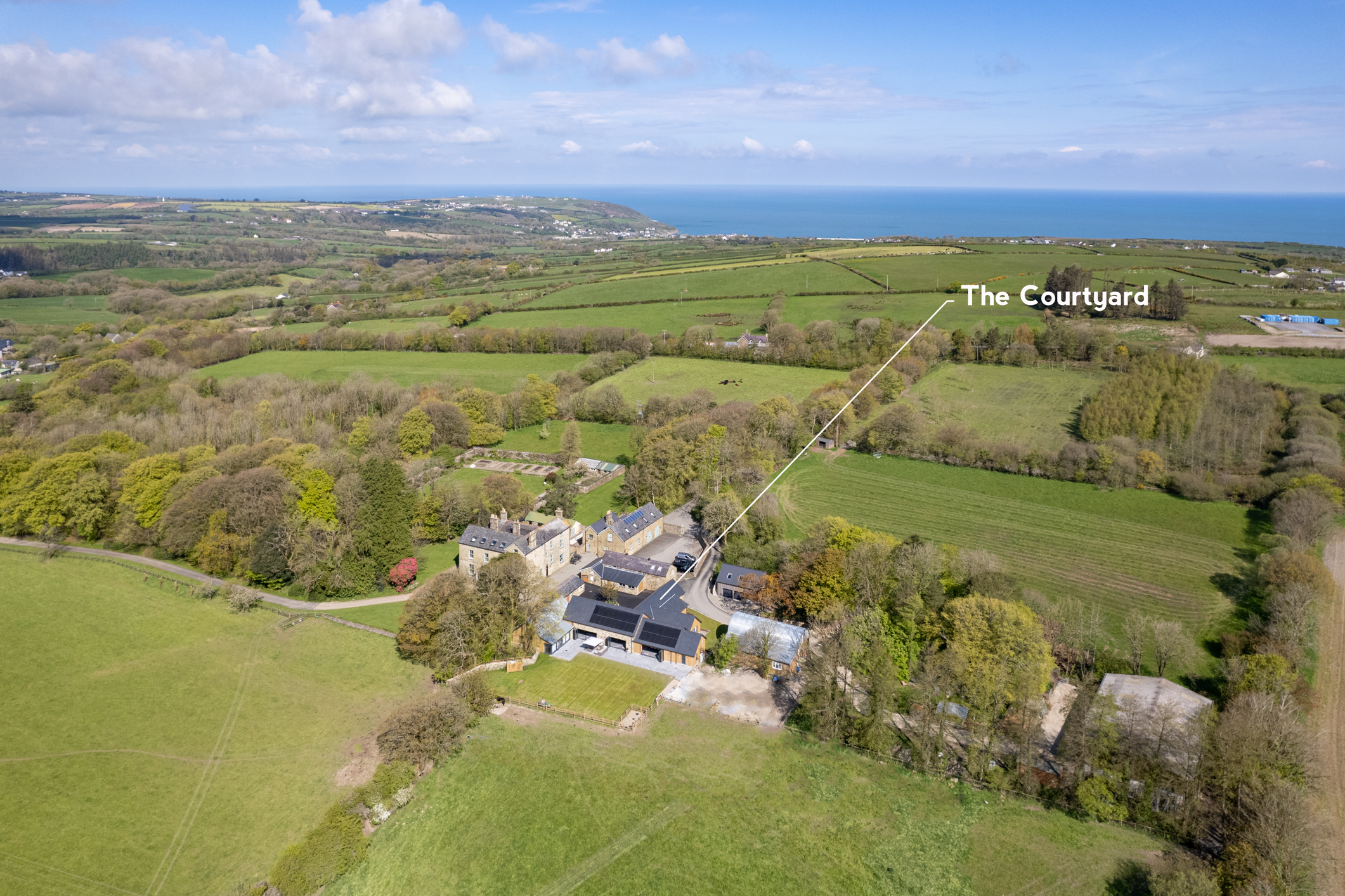
Glaneirw Estate is in Tanygroes, near Cardigan. From here, Cardigan Castle and Cilgerran Castle are the most practical starting points. Pembroke, Carew, Manorbier, Laugharne, Kidwelly and Carreg Cennen require more travel and are better treated as the main plan for the day rather than quick additions.
For wider planning, explore our local area guide, Cardigan Bay guide and guide to historic towns and villages in West Wales.
Choose a castle by travel effort
- A town-and-castle visit with minimal driving: start with Cardigan Castle.
- A dramatic riverside ruin: consider Cilgerran Castle.
- A major medieval fortress: plan a dedicated trip to Pembroke Castle.
- Castle and tidal-mill heritage: look at Carew Castle and its adjacent mill setting.
- A south Pembrokeshire day: choose Manorbier or Pembroke as the main destination.
- A Carmarthenshire heritage day: choose Laugharne, Kidwelly or Carreg Cennen according to the type of site and terrain you want.
Opening dates, admission, events, facilities and access arrangements can change. Check each site’s official information directly before travelling, and avoid building a day around assumptions from an old guide.
Cardigan Castle: the local starting point
Cardigan Castle is a natural first choice for Glaneirw guests because it sits in the town centre beside the River Teifi. Its story spans more than 900 years, and the site is associated with Lord Rhys’s cultural gathering in 1176, commonly recognised as the first recorded Eisteddfod and often described as a forerunner of today’s National Eisteddfod.
That careful wording matters: Cardigan should be described as the site of the first recorded Eisteddfod, not simply the “birthplace” of the modern event. The castle’s history and town-centre location make it possible to combine a visit with independent shops, food or a riverside walk without trying to cover a large part of the region.
Check the castle’s official page for current exhibitions, events, access and opening arrangements. A town-centre heritage visit can still involve uneven surfaces or restrictions in historic buildings, so confirm details that matter to your group.
Cilgerran Castle: a Teifi Gorge ruin
Cilgerran Castle is a striking 13th-century fortress overlooking the Teifi Gorge. Its origins likely date to a Norman ringwork established around 1108, while William Marshal’s stone rebuilding in 1223 created much of the dramatic site visitors see today.
The setting gives Cilgerran a different character from Cardigan: it is an open ruin rather than a staffed town-centre attraction. Cadw lists the site as open and unstaffed and advises that there is no designated parking. National Trust visitor information also notes that there are no on-site facilities or toilets, so plan before travelling.
Cilgerran works well as the lead scenic ruin for a Cardigan-area stay precisely because it does not require turning the day into a cross-county tour. Pair it with one other local stop and leave time for weather and access.
Pembroke Castle: a dedicated fortress day
Pembroke Castle is one of the largest and most recognisable castle visits in West Wales. It is known as the birthplace of Harri Tudur—later Henry VII—in 1457. The castle’s origins reach back to around 1093, and its substantial keep, towers and waterside position make it a strong choice for a dedicated Pembrokeshire day out.
From Glaneirw, Pembroke should not be framed as a short local addition. Make it the principal destination, then choose meals or smaller stops around that plan. This gives enough time to explore at a reasonable pace and allows for traffic, parking and any booked entry.
Check the official castle website for current opening, tickets, exhibitions, events, facilities and accessibility. Historic stairs, towers and surfaces may not suit every visitor in the same way, so review specific access information rather than relying on a general “family-friendly” label.
Carew and Manorbier: south Pembrokeshire options
Carew and Manorbier are better approached as alternative main destinations within a south Pembrokeshire day, not as two guaranteed additions to Pembroke.
Carew Castle and tidal mill
Carew is useful for visitors interested in the layers of castle history and the tidal-mill setting nearby. The adjacent tidal mill adds an industrial-heritage dimension, but check current operating access, opening arrangements and whether the castle, mill and paths are available on the day of your visit.
Confirm parking, toilets, events, accessibility and admission directly. Water levels, weather and path conditions can affect how the wider setting feels, so do not assume every element operates together year-round.
Manorbier Castle and village
Manorbier combines a compact castle visit with a coastal village setting. Focus on specific current features listed by the official site rather than making comparisons about how much original structure survives. Check opening dates, charges, facilities and event restrictions before travelling.
If adding beach or coast time, check weather, tide, parking and path conditions separately. A castle ticket or village visit does not confirm that the coast is suitable for every activity.

Laugharne and Kidwelly: castle-and-town days
Laugharne
Laugharne works as a castle-and-town visit, with an estuary setting and literary associations connected with Dylan Thomas. Keep the castle at the centre of the heritage plan, then decide whether the town, waterfront or another confirmed attraction fits the same day.
Check official opening information and current site conditions. Literary connections can add context, but they should not replace practical planning for the castle itself.
Kidwelly
Kidwelly began as an early-12th-century Norman ringwork and was later developed into the stone “castle within a castle” seen today. Cadw dates this major transformation by the Chaworth brothers to the 1280s.
The castle’s architecture makes it a strong Carmarthenshire option, but it is still a dedicated outing from near Cardigan. Check current Cadw information for opening, parking, facilities, access and any events before setting off.
Carreg Cennen: the dramatic rural option
Carreg Cennen is a hilltop castle experience rather than an easy town-centre visit. Its cliffside position, exposed setting, uneven ground and cave feature mean visitors should check current access and wear footwear appropriate for rough terrain.
The cave or passage feature may not suit every visitor, and conditions can affect access. Do not assume the site is appropriate for buggies, limited mobility or young children without checking current official guidance. Views also depend on the weather and should not be guaranteed.
Choose Carreg Cennen when the group actively wants a rural, physical castle outing. Allow the site to be the main event rather than adding it to an overfilled cross-region itinerary.
Practical castle planning
- Check official opening times and booking arrangements directly before travelling.
- Confirm parking, toilets, accessibility, dogs and event restrictions.
- Wear footwear suitable for uneven ground, steps, grass and exposed ruins.
- Treat more distant castles as the main plan for the day.
- Combine a local castle with Cardigan, a riverside walk or a meal rather than several counties’ worth of sites.
- Allow for wet weather, particularly at unstaffed ruins and exposed hilltop locations.
- Keep a flexible alternative if access, events or conditions change.
It is possible to pair nearby places, but more stops do not necessarily make a better heritage day. One principal castle gives you time to understand the site, take breaks and explore the surrounding town or landscape.
For a broader overview of beaches, walks, heritage, food and activities, see our practical guide to things to do in Cardigan Bay.
Where to stay for a West Wales heritage break
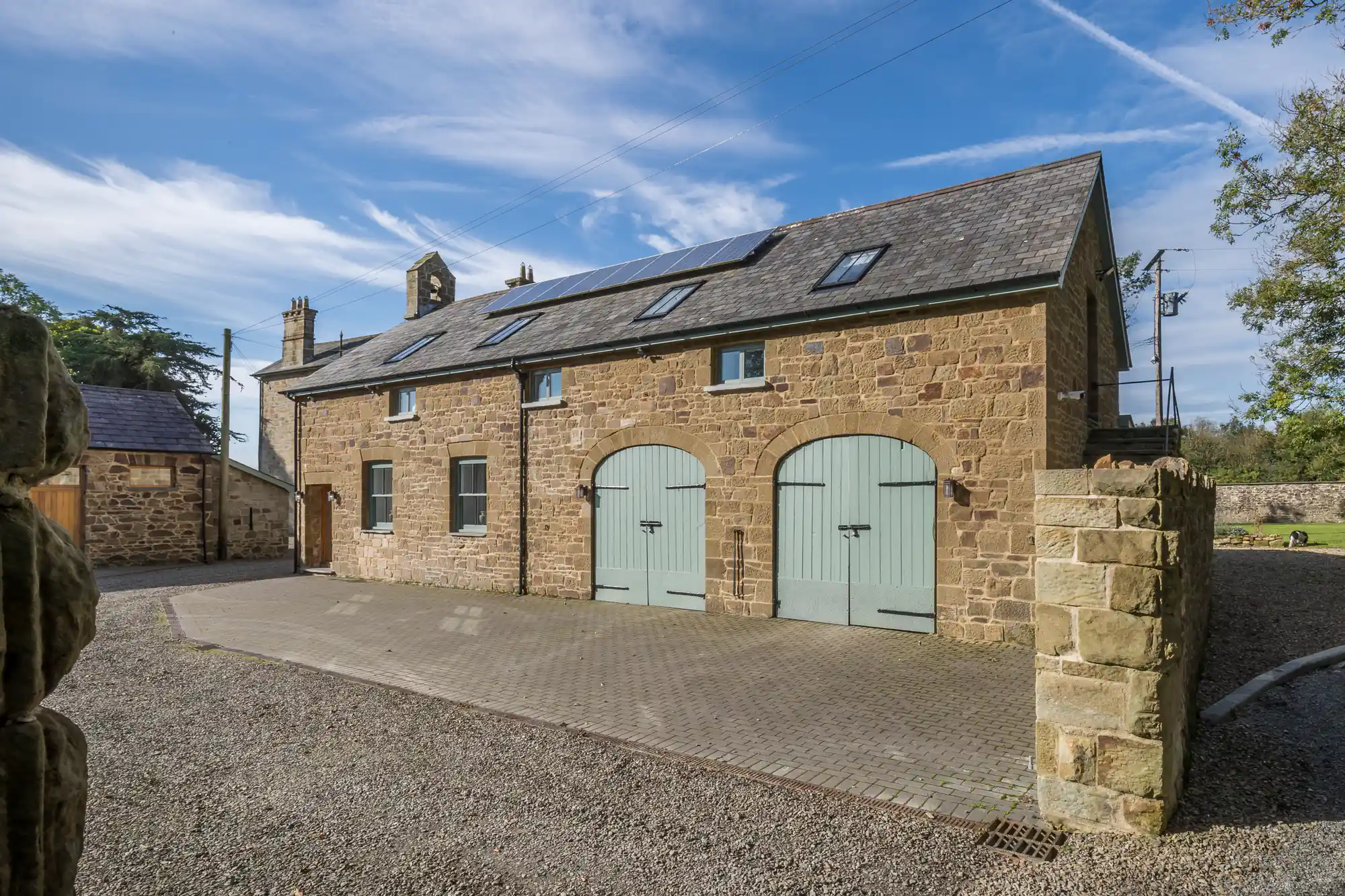
Glaneirw Estate provides a comfortable base near Cardigan for a castle-focused West Wales break. Begin with local sites such as Cardigan and Cilgerran, then use longer stays to plan dedicated day trips into Pembrokeshire or Carmarthenshire.
- The Apartment suits couples and smaller families.
- The Courtyard gives families and friend groups shared living space.
- The Coach House accommodates larger and multi-generational groups.
Check availability for your West Wales heritage break. Looking for places to visit in West Wales? Explore Glaneirw Estate.